When most people hear the word hurricane, they picture homes along the South Carolina coast preparing for storm surge and mandatory evacuations. But if you live in Anderson, Greenville, Clemson, or elsewhere in Upstate South Carolina, it’s easy to assume hurricanes aren’t something you need to worry about.
The reality is a little different.
According to the South Carolina Department of Public Health, hurricanes can produce high winds, torrential rainfall, flooding, and even tornadoes, and their impacts can extend well inland after landfall. Hurricane season runs from June 1 through November 30, making summer the perfect time to prepare your home before the next storm develops.
At Southern Shingles Roofing, based in Anderson, SC, we’ve seen firsthand how tropical systems can leave behind missing shingles, roof leaks, damaged gutters, and fallen trees, even hundreds of miles from the coast. Here’s what every Upstate homeowner should know before hurricane season reaches its peak.
Hurricanes Don’t Stop at the Coast
It’s true that hurricanes lose strength after making landfall, but that doesn’t mean they stop causing damage.
The South Carolina Department of Public Health explains that hurricanes are capable of producing damaging winds, torrential rain, tornadoes, and flooding as they move inland. In fact, hurricanes can span hundreds of miles across, meaning communities far from the shoreline may still experience severe weather long after landfall.
For homeowners in Anderson, Greenville, Clemson, Pendleton, Belton, Honea Path, and surrounding communities, a storm that makes landfall on the coast can still bring conditions capable of damaging your roof.
What Type of Roof Damage Can Inland Hurricanes Cause?
Even if your home never experiences hurricane-force winds, tropical systems can still put your roof to the test.
Some of the most common issues we see include:
Missing or Lifted Shingles
Strong wind gusts can loosen or completely remove shingles, exposing the roofing system beneath them to moisture. Once that protective barrier is compromised, even a small rainstorm can lead to leaks.
Fallen Tree Limbs
Heavy rainfall softens the ground, making trees more likely to fall or lose large branches during high winds. Even a relatively small limb can crack shingles, damage flashing, dent gutters, or puncture the roof deck.
Wind-Driven Rain
Rain doesn’t always fall straight down during a tropical storm. Wind can push water beneath shingles, around vents, and into vulnerable areas of your roof, creating leaks that may not appear until days or even weeks later.
Gutter Damage
Strong winds and flying debris can bend, clog, or pull gutters away from your home. Without properly functioning gutters, water may overflow and increase the risk of roof, siding, and foundation damage.
South Carolina Homes Face More Than Just Wind
When people think about hurricanes, they often focus on wind speed. But for many Upstate homeowners, the biggest threats are actually the combination of wind and water.
Even a weakened tropical system can bring:
- Heavy rainfall that exposes existing roofing issues
- Fallen trees and large branches
- Wind-driven rain forced beneath shingles
- Localized flooding around your property
- Extended power outages that delay emergency repairs
These hazards can leave your roof vulnerable long after the storm has passed.
How to Prepare Before a Hurricane or Tropical Storm
The South Carolina Department of Public Health encourages residents to prepare before watches and warnings are issued rather than waiting until a storm is approaching.
Along with assembling emergency supplies and staying informed, homeowners can help protect their homes by:
- Trimming dead or overhanging tree limbs near the roof
- Cleaning gutters and downspouts so water can drain properly
- Securing patio furniture and loose outdoor items
- Checking the attic for signs of existing leaks or moisture
- Scheduling a professional roof inspection if your roof is older or has previous storm damage
A little preparation today can help prevent much larger repairs tomorrow.
What to Do After the Storm Passes
Once it’s safe to go outside, inspect your property from the ground.
Look for signs such as:
- Missing or lifted shingles
- Fallen branches
- Bent or detached gutters
- Debris on the roof
- Water stains on ceilings or inside the attic
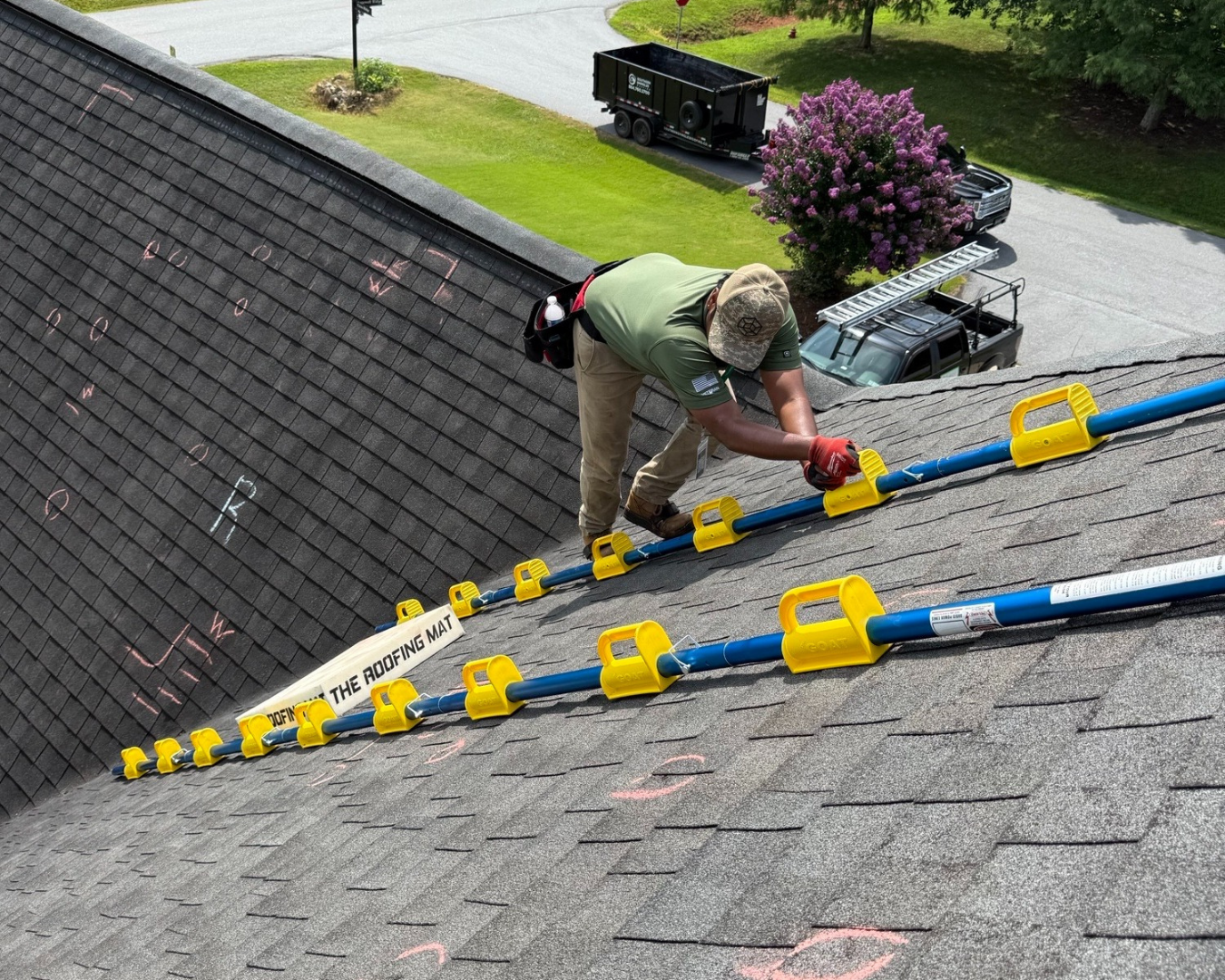
Avoid climbing onto your roof yourself. Storm-damaged roofing materials can be slippery, unstable, and dangerous.
Instead, contact a trusted roofing professional to perform a thorough inspection. If storm damage is found, detailed documentation can also make the insurance claims process much smoother.
Protect Your Home Before Small Problems Become Big Ones
Living inland doesn’t mean you’re protected from hurricane damage. As Hurricane Helene reminded homeowners across the Upstate, strong winds, heavy rain, and falling trees can leave lasting damage long after a storm makes landfall.
Whether your roof has storm damage or you’d simply like peace of mind before the next storm, Southern Shingles Roofing is here to help. We provide thorough roof inspections, reliable repairs, complete roof replacements, and mitigation services to help protect your home from further damage.
If severe weather has damaged your roof, we’ll also help simplify the insurance claims process. With a 98%+ approval rate on qualifying claims, our team has the experience to guide you every step of the way.
Contact Southern Shingles Roofing today for a free estimate and let us help protect your home before, during, and after hurricane season.